
Lead Paint Rules for Painting Contractors: What It Actually Costs and How to Price It Right
If you're repainting a US home built before 1978, there's a better than even chance you're looking at lead paint. The EPA's Renovation, Repair and Painting rule — the RRP rule — means that job carries legal obligations most contractors either don't know about or quietly ignore. Both paths are expensive. Ignorance costs you on the job. Non-compliance costs you in fines that start at $37,500 per violation per day. And underquoting it — pricing lead-safe prep as a standard repaint — is the fastest way to bleed margin on work you were already legally obligated to do carefully.
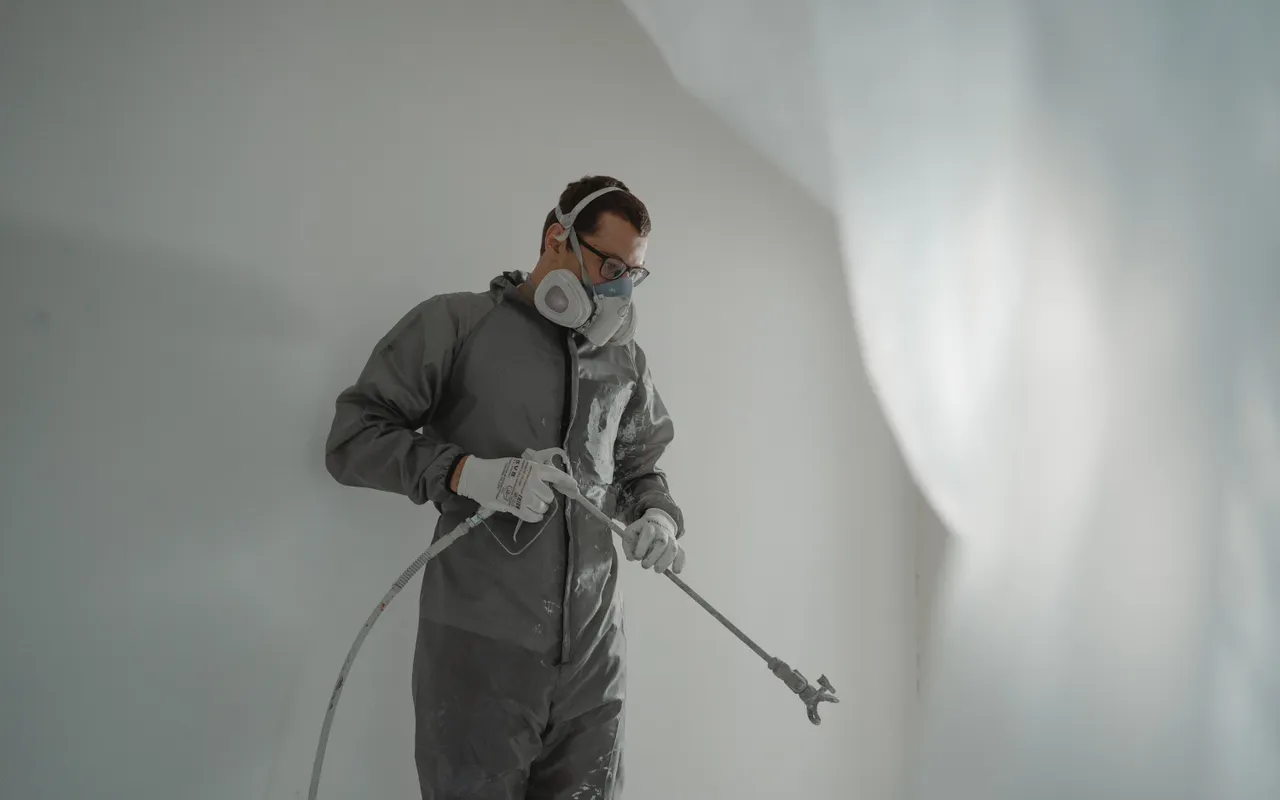
What the RRP Rule Actually Requires on Site
The EPA's RRP rule applies to any renovation, repair or painting work that disturbs more than 6 ft² (0.56 m²) of painted surface per room inside, or more than 20 ft² (1.86 m²) on the exterior, in a pre-1978 residential building, childcare facility, or school. That threshold is low. A single door sanded and repainted can trigger it.
Meeting the rule isn't optional, and it isn't just paperwork. Here's what lead-safe work actually adds on a job:
- Certified renovator on site. At least one EPA-certified renovator must be present or available during the work. This person is responsible for setup, cleanup and documentation — and certification costs time and money to obtain and renew every five years.
- Plastic sheeting and containment. Work areas are sealed off. Exterior ground cover extends 10 ft (3 m) or more from the building. Doors, windows and HVAC vents inside the work zone are sealed. Setting this up and tearing it down is real time — it doesn't happen in five minutes.
- HEPA vacuums and wet methods. Dry sweeping is banned. Dust is controlled with wet wiping and HEPA-filtered vacuums. Equipment that generates a lot of dust — open-flame stripping, heat guns above 1,100°F (593°C), uncontained power sanding — is prohibited outright.
- Post-work cleanup verification. After cleanup, the certified renovator verifies the area using the visual inspection method (or, optionally, a dust wipe clearance test). The area can't be reopened until it passes.
None of that is fast. And none of it is free. It adds hours to every phase of the job — setup, work and closeout — and it demands equipment most standard residential painters don't carry on the truck.
The Prep Ladder Problem: Why Standard Isn't Enough
Here's where most contractors lose money quietly. They win the job, they know in the back of their mind it's a lead situation, and they price the prep at Standard — 270 ft²/hr (25 m²/hr) — because that's the number they always use on a repaint that looks normal. The house has peeling paint on the fascia, some chalking on the weatherboards, the usual stuff.
But lead-safe work is not a standard repaint. The restrictions on how you can remove paint — no high-heat tools, no uncontained sanding — slow you down. The containment setup and teardown add non-painting hours to the day. The wet methods and HEPA vacuuming after every session add more. On a weathered exterior in legitimate lead-safe scope, your effective prep rate is nowhere near 270 ft²/hr (25 m²/hr).
A neglected exterior with peeling paint — which is exactly the scenario that triggers lead concerns — already demands at least Heavy prep at 115 ft²/hr (10.5 m²/hr), and often Very Heavy at 70 ft²/hr (6.5 m²/hr), before you factor in the compliance overhead. Add the containment setup, the restricted stripping methods, and the documented cleanup, and you're looking at a job where prep runs 60–70% of total labour hours. Price it at Standard and you've already given away a day's wages before the first coat goes on.
The honest move is to build the job correctly from the start: price the prep at the rung that reflects actual site conditions, then account for the compliance steps — containment, cleanup verification, restricted methods — as additional labour either inside the prep line or as a separate line item. Either way, the hours have to be in the quote. They're going to be in the job.
The Paperwork Is Part of the Job

Record-keeping under the RRP rule isn't optional admin you get to skip if the job goes long. It's a legal requirement, and the records have to be kept for three years.
What you need to retain: the pre-renovation disclosure form signed by the owner or occupant; records showing the work was performed by certified renovators and trained workers; documentation of the containment setup; and the post-cleanup verification record. If the EPA audits you — or a homeowner makes a complaint — these records are your evidence. No records means no defence.
Build a documentation habit now. The certified renovator on the job should complete the cleanup verification record before the containment comes down. The disclosure form should be signed before work starts, not after. These are five-minute tasks if you've built them into the workflow. They become a problem only when you treat them as optional.
Surfacely's auto-generated crew safe-work briefs with digital sign-off give your team a structured, job-specific document to sign before they start — covering the site conditions, the hazards, and the methods required. That's not a substitute for RRP compliance documentation, but it's the right habit running alongside it, and it means your crew has acknowledged the conditions in writing before the first piece of plastic goes down.
Pricing the Full Cost Into the Quote
Lead-safe work has three cost layers that standard repaint quotes rarely carry:
- Compliance labour. Containment setup and teardown, HEPA vacuuming sessions, wet wiping, cleanup verification. These are real hours at your full labour rate.
- Equipment and consumables. Plastic sheeting, tape, disposable suits, HEPA vacuum filters, and waste disposal for lead-contaminated material. These are direct costs that belong in materials, not buried in overhead.
- Certified renovator time. If that person is you, their time managing compliance — not just painting — is billable. If it's a subcontractor or a licensed crew member, their rate reflects the certification premium.
None of these lines are unusual to a client who understands what the law requires. Explain it plainly: pre-1978 housing triggers federal requirements, those requirements add hours and materials, and the quote reflects the actual job. Most homeowners would rather pay the right price than have an uncertified crew cut corners in their kids' bedrooms.
Surfacely's prep ladder makes it straightforward to price the surface correctly from the start. Set the prep rung to match actual conditions — Very Heavy at 70 ft²/hr (6.5 m²/hr) on a neglected exterior, Extensive at 43 ft²/hr (4 m²/hr) on a surface that needs major work — and the hours build honestly from there. The quote reflects the job, not the job you wished you had.
Other Markets Have Their Own Rules
This post focuses on the US RRP rule, but lead paint obligations exist in every market Surfacely serves. Australia has its own lead paint regulations under Work Health and Safety legislation, with specific requirements for licensed removal of friable lead paint. The UK has Control of Lead at Work regulations that set exposure limits and require risk assessments. Canada and New Zealand both have occupational health and safety frameworks that govern lead paint disturbance. The specifics differ, but the principle is the same: disturbing lead paint without the right controls is a legal, health, and financial liability.
If you're in one of those markets, check your jurisdiction's current requirements — the rules are updated periodically, and the enforcement has tightened in recent years.
This post is general information only. It is not legal or regulatory advice. Confirm the current requirements with your local EPA office, state regulator, or qualified legal adviser before you start any lead-related work.
Stop Losing Money on Jobs You Had to Do Carefully Anyway
The jobs with the highest compliance burden are often the ones most underquoted. Weathered, neglected pre-1978 houses — the ones most likely to have lead — are also the ones where contractors default to a Standard prep rate and wonder where the margin went at the end of the week.
Price the prep rung honestly. Put the compliance hours in the quote. Keep the records. And if you want to see how the prep ladder works in practice — with your own labour rates and your own margins — try Surfacely free and build your next lead-safe quote the right way.