
Painting an Occupied Home Cost: Why It's 10–20% Higher and How to Price It Right
An empty house is a painter's best friend. You set up once, leave your gear overnight, close every door, and work your way through without stopping. An occupied home is a different job — and if your quote doesn't reflect that, you're eating the difference every single time.
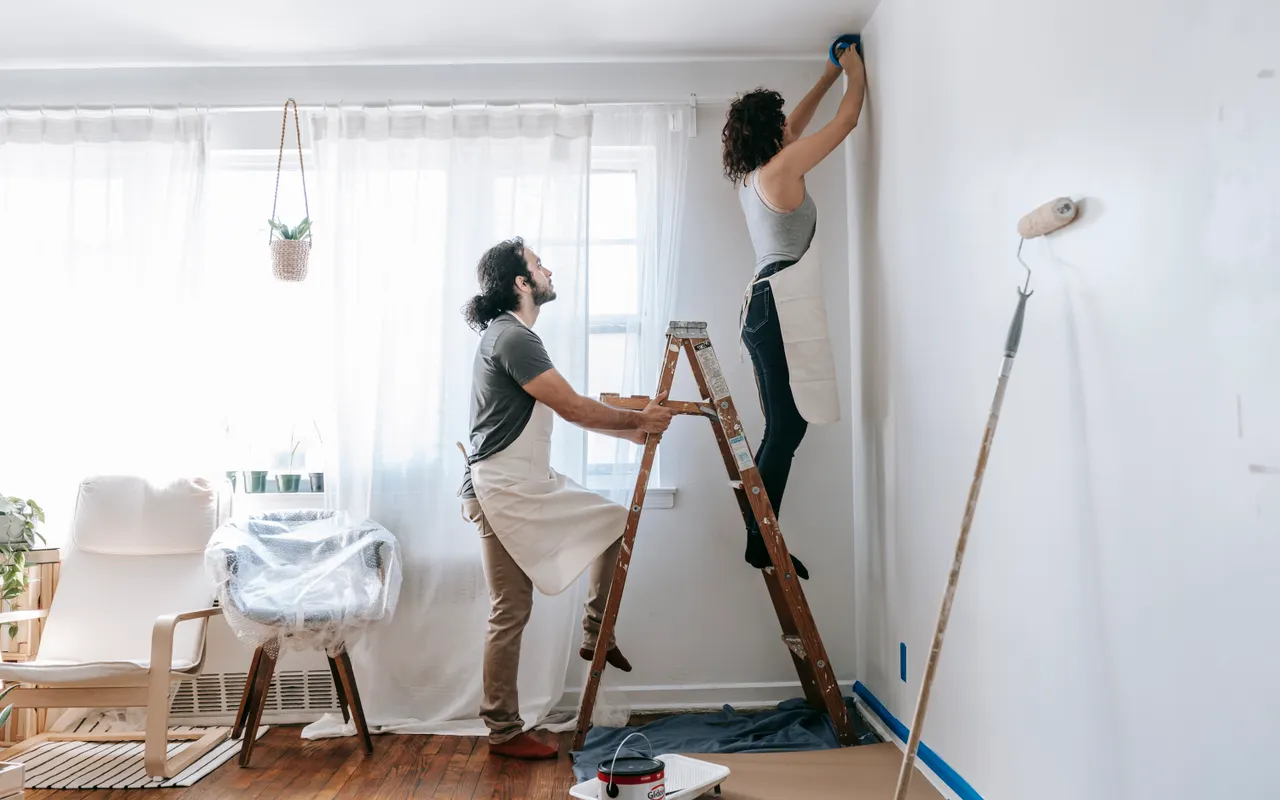
The Occupied-Home Tax Is Real — And It's Not Small
Most painters know, in their gut, that painting an occupied home costs more. They just don't price it that way. They quote the square footage, apply the same labour rate, and figure they'll manage around the client. Then they spend the week moving a couch four times, waiting for a conference call to finish before they can get into the home office, and packing tools into a bag every evening because they can't leave anything out.
That's not bad luck. That's a predictable labour drag — and it runs 10–20% above what the same job would cost in an empty property. On a $8,000 job, that's $800 to $1,600 walking out the door as goodwill nobody asked for.
The fix isn't to resent the client. The fix is to price the job honestly and say so.
What Actually Eats the Time
It's not one big thing. It's six small things that stack up across every day on site.
- Furniture moved twice, daily. In an empty room you set up once. In a lived-in room you push everything to the centre in the morning and restore it in the evening so the family can use the space. That's 20–30 minutes a room, every day.
- Working around schedules. A room you can't enter before 9am, a home office that goes off-limits at 10am for a video call, a kitchen you need to vacate by noon. Every one of those interruptions fragments your day and kills production rhythm.
- Gear packed away each evening. Rollers rinsed, trays wrapped, drop sheets folded, tools back in the van. In an empty house you leave everything set up and hit the ground running tomorrow morning. In an occupied home, you spend 15–20 minutes setting up and 15–20 minutes packing down — every single day.
- Masking and protection done properly. When a family is living in the home, you're protecting carpets, soft furnishings, kitchen benchtops, and electronics — not just laying a drop sheet on bare floorboards. That takes longer to do and longer to move.
- Pets and access points. A dog that can't go near wet paint, gates that need to stay closed, a cat that treats every drop sheet as a nap spot. These are real constraints, not personality quirks. They affect where you can work and when.
- Tenanted properties carry extra friction. A tenant has no incentive to cooperate with your schedule. Access can be inconsistent, rooms may not be cleared when they're supposed to be, and communication runs through a landlord or property manager who isn't on site.
None of these is catastrophic on its own. Combined across a five-day job, they routinely add a full day of lost production — sometimes more.
The Questions to Ask Before You Price
Occupied-site pricing starts at the quote stage, not on day one of the job. Before you finalize any number, you need clear answers to these:
- Who is home during the day? A retiree who's around all week creates different constraints than a household where everyone leaves at 8am.
- Which rooms can be fully closed off? A room you can seal, set up in, and leave set up overnight is close to an empty-house condition. A room you need to restore to liveable every evening is not.
- Can gear stay set up overnight? This single question is worth 15–20 minutes a day per room. If the answer is yes, your labour drag drops significantly.
- Are there pets — and where do they go during the day? A dog in a crate is manageable. A dog with full run of the house is a different job.
- Is it owner-occupied or tenanted? Tenanted properties get a higher allowance automatically — access reliability and cooperation levels are lower by default.
- Are there any hard time restrictions? Can't start before 9am, must clear certain rooms by a specific time, no weekend work — every constraint adds time and you need to know about them now.
These aren't small-talk questions. They're pricing inputs. Ask them on every occupied-site job, the same way you'd ask about surface condition or access equipment.
How to Price the Allowance — And Talk About It
An occupied-site allowance isn't a penalty. Frame it correctly and most clients understand immediately — because they already know their home is lived-in and they're relieved you thought about it.
The allowance belongs in the quote as a line item, not buried in your margin. When a client sees "occupied-site allowance — furniture management, daily setup and pack-down, access restrictions" they understand what they're paying for. When it's invisible and you've silently absorbed it into your hourly rate, you've done the work for free.
A 10% allowance on labour is a reasonable starting point for a cooperative household where gear can stay set up and rooms can be closed off. Push that to 15–20% for tenanted properties, homes with hard time restrictions, multiple pets, or a layout where no room can be sealed off. You'll know which bracket applies from the pre-quote conversation.
Surfacely surfaces an occupied-site allowance at the point you're building the cost — so it lands in the quote before you send it, not in a post-job debrief wondering where the margin went. It's one of the inputs the quoting cost calculator is built to capture, right alongside labour rates, prep levels, and access equipment, because all of those are the same category of thing: real costs that have to be in the number.
The Honest Conversation Pays Off
Clients who ask why your quote is slightly higher than another painter's deserve a straight answer. "I've included an allowance for the fact that your home is occupied — furniture management, setup and pack-down each day, and working around your schedule. The other quote probably didn't." That's a sentence that builds trust, not one that loses jobs.
The clients who don't value that explanation are not your best clients anyway. The ones who do are the ones who'll call you back for the next job.
Painting an occupied home costs more because it takes more time. Price it that way, say so clearly, and stop absorbing a 10–20% labour drag as goodwill nobody asked you to give.
If you want to see exactly what that allowance adds to a real job, run it through the quoting cost calculator and put a number on it before your next occupied-site quote goes out.