
Recurring Revenue for Painting Contractors: How Multi-Year Programs Change the Business
Most painting companies start every single month at zero. No pipeline carried forward, no work already agreed — just the pressure to win enough jobs this week to keep the crew busy next week. It works, until it doesn't. One slow month and you're making payroll from your own pocket. One competitor who undercuts you on a big job and you've got painters standing around. There's a better way to structure part of the book, and it starts with the kind of sites most painters walk past without realizing what they're actually looking at.
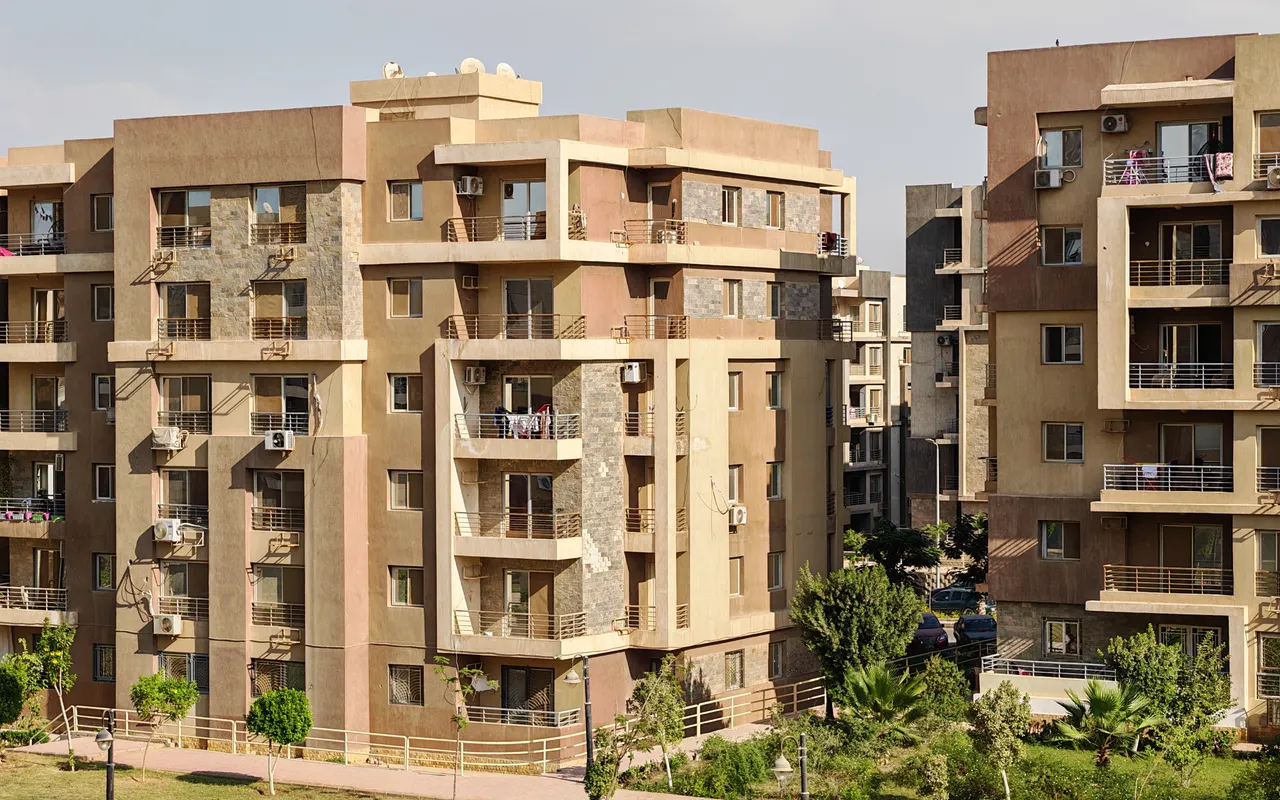
The Sites That Already Have the Work — They Just Need a Plan
Retirement villages. Unit complexes. Schools. Strata communities and HOA neighborhoods. These sites share one thing: a lot of similar buildings that all need painting, all on a cycle, and usually managed by one decision-maker or committee with a maintenance budget they have to spend responsibly.
The standard approach is to quote each building as it comes up. Win it, do it, invoice it, move on. That works, but it means the site manager gets a fresh quote every year, invites three competitors every time, and you start from zero on every cycle. You've done the work before, you know the site, and you're still competing like a stranger.
A multi-year program flips that dynamic. You measure the whole site once, assess every building's condition, and propose a 2–10 year schedule — worst condition buildings first — as one agreed project. The client locks in a painter who knows the site. You lock in work that already exists on the books, years ahead.
What It Actually Does to Hiring, Scheduling and Cash Flow
When a third of your revenue is already agreed for the next 12 months, the whole business runs differently. You hire with confidence instead of hesitation — you know the work is there to cover the head count. You schedule further out, which means less dead time between jobs and fewer last-minute scrambles to fill gaps. Suppliers will talk better terms when they can see you're running a consistent volume.
Cash flow tightens up too. Each year of the program starts with a deposit — paid at the start of that year's phase, not on the whole site upfront. Work is invoiced as it's completed. You're not carrying the whole program on your books; you're running it year by year with a known start and a known scope.
The touch-up allowance is part of what makes this work in practice. For every building already repainted, you carry 5% of its repaint labor hours as touch-up days each year — always rounded up to whole crew days, never a part day. Unused days carry over. The client pays only for days used. It's a real built-in cost, not a rounding error, and it needs to be priced in from day one or it'll eat your margin quietly over the life of the program.
Protect the Margin — Don't Discount Your Way In
Here's the trade-off you'll hear about from contractors who've done this: "We had to come in cheaper to get the program." That's a choice, not a requirement. And it's the wrong one.
A multi-year program is worth something to the client — budget certainty, no annual tender process, a painter who knows every building. That value justifies your normal margin, not a discounted one. If a client wants a multi-year agreement and expects a price cut on every building, they're asking you to subsidize their convenience with your profit. Walk away from that conversation or reprice it properly.
What you do give them is price clarity over time — and that means your yearly price adjustment has to be named upfront. Use an official index: the Consumer Price Index for your market, a construction-cost index, or a fixed percentage agreed at the start. Never forecast the number, just name the mechanism. Without a price escalation clause, inflation erodes your margin quietly every year until the program is barely worth running. That's not a risk — it's a certainty on any agreement longer than 18 months.
The Program Still Has to Be Won
Multi-year work doesn't fall in your lap. The proposal has to be better than a one-year quote — more detailed, more credible, more clearly structured. The site manager or body corporate committee is making a multi-year commitment; they need to feel confident the contractor they're choosing can actually execute across the full term.
That means the proposal shows each building, its condition, its scheduled year and its price — not a single blended total. Each year stands as its own phase. The client can see exactly what they're agreeing to and when. A vague "we'll repaint the complex over five years" document won't close a committee. A measured, building-by-building program with phase dates, touch-up allowances and a clear price-adjustment mechanism will.
The termination terms matter too. Standard is 30 days' written notice before the program's anniversary year — completed work paid in full. That protects both sides and makes the program easier to sign because it doesn't feel like a trap. A client who feels locked in is harder to close than one who knows they can exit cleanly if they need to.
Surfacely lets you build exactly this kind of proposal from one measured site visit — every building sized, scheduled across years and priced from your own production rates and margins. The structure is already there; you just fill it with the site's reality. It's one of the cleaner ways to put a multi-year program in front of a committee and have it look like you've done this before — because the document does the heavy lifting.
What to Aim For — and How to Get There
A realistic target for a business that wants the stability without becoming too dependent on any one client: around a third of annual revenue from agreed multi-year programs. Enough to anchor cash flow and hiring. Not so much that one client ending a program creates a crisis.
Getting there takes time. Start with one site — a school, a retirement village, a strata complex you already have a relationship with. Win it properly, execute the first year well, and use that as the proof of concept when you approach the next site. Two or three programs running in parallel, staggered across different anniversary dates, is worth more than one large program because the risk is spread.
The business value case is real too. If you ever sell the painting business, contracted forward revenue is worth significantly more than a pipeline of leads and repeat clients who could walk. Buyers pay for certainty. A book with $400,000 of agreed program work for the next three years is a materially different asset than a business with the same average revenue but nothing signed.
Starting every month at zero is a choice as much as a circumstance. The sites that can change that are sitting in your market right now — they just need someone to walk in with a proper plan.
Try Surfacely free and build your first multi-year program proposal from a single site measure.