
Why Your Repaint Quotes Keep Losing Money (And It's Not Your Paint Price)
Most painting contractors who are losing money on repaints think the problem is material costs or a competitor undercutting them on price. It's rarely either. The real leak is almost always in how prep gets quoted — specifically, defaulting to a 30% prep allowance on surfaces that actually need 80%, 120%, or more. That gap doesn't just trim your margin. It wipes it.
The Prep Problem Nobody Talks About
Here's how it typically plays out. You walk a job, the client's interior looks "a bit tired," and you quote prep at Standard, 25 m²/hr — what most contractors use as their default for a standard repaint. The job starts, your crew spends the first two days just washing, scraping, and filling. By the time they pick up a brush, you're already over budget on labour. The paint goes on fine. The client's happy. You invoice and wonder why the numbers don't add up.
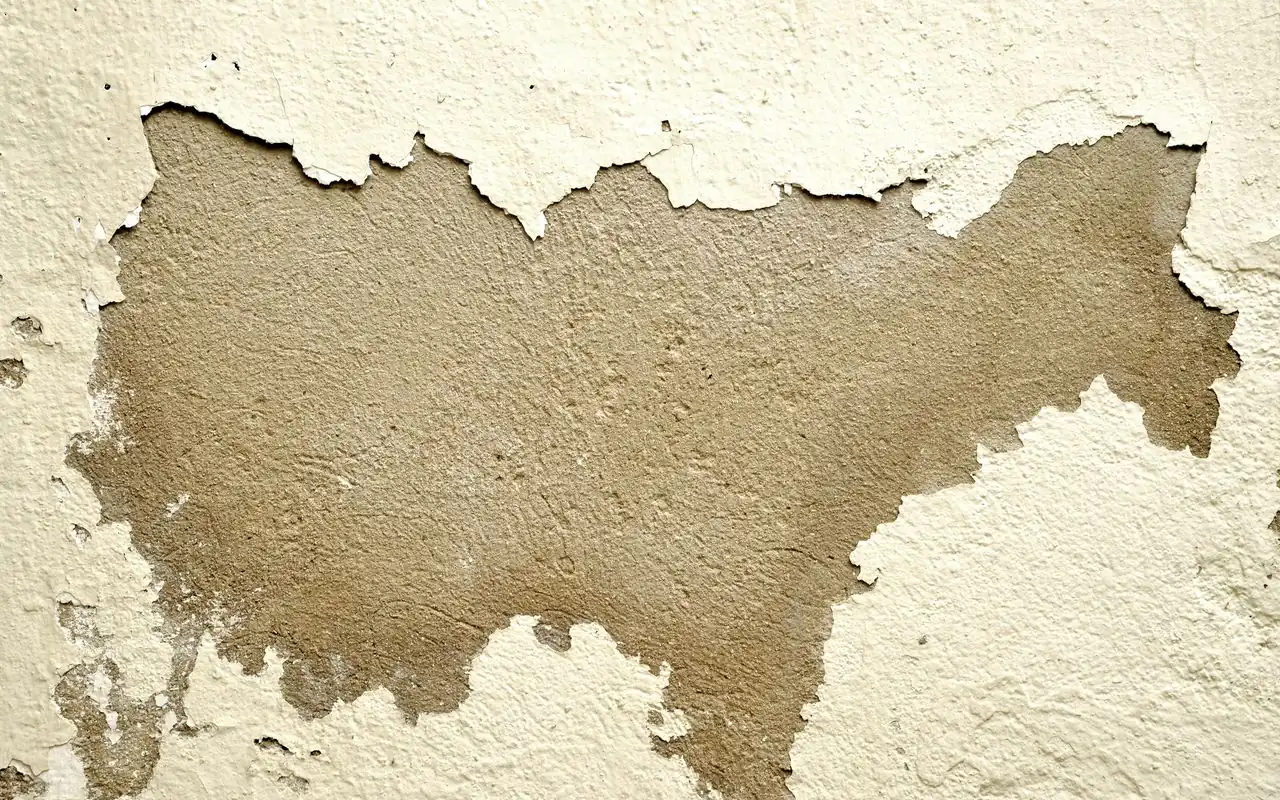
That 30% figure is Standard prep — and it's only appropriate for a surface in genuinely sound condition. Think a clean interior that's been maintained, with minimal filling and a light sand. If the surface has visible weathering, peeling, or any kind of substrate damage, you've already moved past Standard before your crew unloads the van.
What the Prep Levels Actually Mean
Prep should be calculated as a percentage of your total paint hours, and the range is wider than most contractors realise. At the low end, Minimal prep (75 m²/hr) is for a near-new surface — scuff and dust, essentially paint-ready. Light (37.5 m²/hr) covers a very good condition surface with barely any filling. Standard (25 m²/hr) is your baseline for a sound residential repaint: wash, sand, spot fill.
After that, things escalate quickly:
- Moderate (15 m²/hr) — older surface with minor repairs and some scraping required
- Heavy (9.25 m²/hr) — neglected or peeling, extensive filling, a full prime coat needed
- Very Heavy (6 m²/hr) — weathered exterior, major substrate repair, possibly a full strip
- Extensive (5 m²/hr) — significant substrate damage, heavy strip plus full prime
- Restoration (2.25 m²/hr) — heritage detail, substrate rebuild; prep dominates the entire job
That jump from Standard to Heavy isn't 50 percentage points — it's the difference between prep running about 23% of your total job hours versus closer to 44%. On a job with 40 paint hours, that's roughly 12 hours of prep versus 32. At a fully-loaded labour cost of $35/hr USD ($50/hr AUD), that's a $700 USD ($850 AUD) swing in labour alone — before you've touched a single dollar of margin.
Where Contractors Get It Wrong on Exteriors
Exterior repaints are where prep underquoting does the most damage. A weathered timber exterior that hasn't been painted in seven or eight years will almost always sit at Very Heavy (6 m²/hr) or Extensive (5 m²/hr). But if you walked a dozen contractor quotes for that same house, you'd probably find most of them defaulting to Standard or Moderate.
Why? A few reasons. The surface looks "okay" from the street. The client has anchored on a budget. The contractor wants to win the job. And honestly, prep isn't as visible or satisfying to quote as a fresh colour scheme.
The result: prep runs 50–70% of total labour hours on a badly weathered exterior. If you've priced it at 30%, you're not just losing margin — you're losing money in absolute terms. You'd have been better off not taking the job.
The fix is simple but requires discipline. At site inspection, slow down on the surface condition assessment. Run your hand across the substrate. Look for chalking, cracking, peeling edges, bare timber, or rust on metal surfaces. These are not Standard conditions, no matter how much the client wants a quick turnaround.
How Prep Errors Compound Across a Growing Team
When you're quoting everything yourself, prep underquoting at least stays consistent. The margin bleeds quietly. But once you have estimators, site managers, or senior painters putting together quotes, inconsistency becomes the bigger problem. One person quotes Moderate on a job that needs Heavy. Another defaults to Standard on everything. A third adds a vague "prep allowance" line that isn't tied to any measurable figure.
This is where having a defined production rate and prep level system matters — not just for accuracy, but for consistency across everyone who quotes. When prep levels are standardised and tied to specific surface conditions, a new estimator can make the same call as your best senior painter. That's the difference between a quoting system and a quoting habit.
Surfacely builds this structure directly into the quoting process. The prep level ladder sits alongside the production rate system, so every quote — whether you're building it or a crew member is — applies the same logic. The result is fewer surprises when jobs close out.
A Quick Sanity Check Before You Submit Any Repaint Quote
Before you finalise any repaint quote, ask these four questions:
- When was this surface last painted? Anything beyond five years on an exterior should trigger at least Moderate, often Heavy.
- Is there any peeling, cracking, or chalking? Yes to any of these = Heavy (9.25 m²/hr) as your minimum starting point.
- Is there substrate damage? Rot, rust, or structural issues push you to Very Heavy (6 m²/hr) or Extensive (5 m²/hr) immediately.
- Am I being influenced by what the client wants to spend? If yes, recalibrate. Price the surface, not the budget conversation.
You don't have to go back to school to price prep accurately. You just have to look at what's actually in front of you and resist the pull of the familiar default.
The Takeaway
Prep is where repaint jobs get won or lost financially. A surface in genuinely sound condition gets Standard (25 m²/hr). Anything with visible wear, weathering, or peeling starts at Heavy (9.25 m²/hr) and goes up from there. If your current quoting approach doesn't differentiate between these — or if different people in your business make these calls differently — that's the margin problem worth solving first.
Get the prep level right and the rest of the quote tends to fall into place. Get it wrong, and no markup in the world will save you.