
Scaffolding Cost in Your Painting Quote: Why It Gets Missed and What It's Costing You
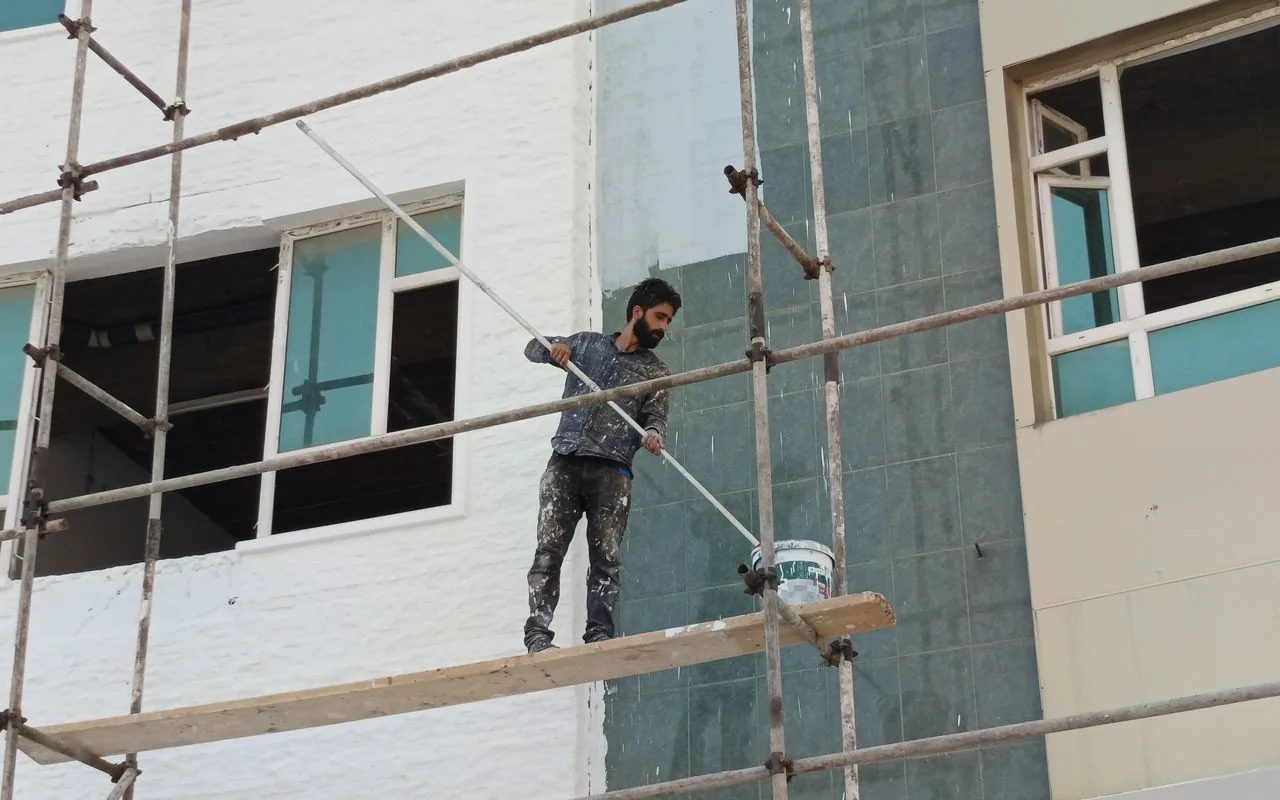
A two-storey repaint looks like a solid job on paper — decent square footage, reasonable prep, good paint spec. You win the job and realise you NEED scaffolding for one aspect. You can't avoid it. The scaffold invoice lands halfway through and you realise the impact. The client's already locked in on price. That cost comes straight out of your pocket. This isn't a rare edge case. It's one of the most common margin killers in painting, and it happens because access equipment is easy to overlook at the kitchen table when you're measuring up walls.
Why Access Equipment Gets Left Out of Quotes
It's not laziness. It's a sequencing problem. Most painters mentally build a quote in layers — surface area, prep level, coats, paint cost, labour hours. Access equipment doesn't fit neatly into that sequence because it's not a surface. It's a job condition. And job conditions are easy to forget when you're focused on the numbers in front of you.
There's also a pricing uncertainty issue. Scaffold hire rates vary by supplier, region, and duration. Boom lifts — called cherry pickers or elevated work platforms (EWPs) in some markets — have day rates that change depending on machine size and availability. When you're not sure what something costs, the brain tends to defer it. Deferral becomes omission.
Add to that the habit of quoting from memory or a basic spreadsheet, and you've got a system that will miss access costs on a significant percentage of jobs. One missed scaffold hire on a two-storey exterior and your margin on that job is gone. Two in a month and you're working for almost nothing.
What Happens When It's Not in the Quote
There are three outcomes, and all are bad.
The first: you catch it after quoting and try to add it as a variation. In most cases, the client pushes back. They accepted a price. The scaffold cost feels like your problem, not theirs — because you're the one who forgot to include it. Unless you have very clear terms around site conditions and access requirements, you'll lose that argument more often than you win it.
The second: you absorb it. You pay the hire company, complete the job, and invoice what you quoted. On a job you expected to make 20% margin on, you're now at 3–5% — or negative. The hours are logged. The paint is used. The only thing that changed is a line item that was never in the quote.
Either way, the client doesn't pay. That scaffold invoice is your loss, not theirs.
The third: you work around it. You use unsafe methods to complete the job, risking your own safety and potentially others. The worst of the three outcomes by far.
How to Catch It Every Time at Quote Stage
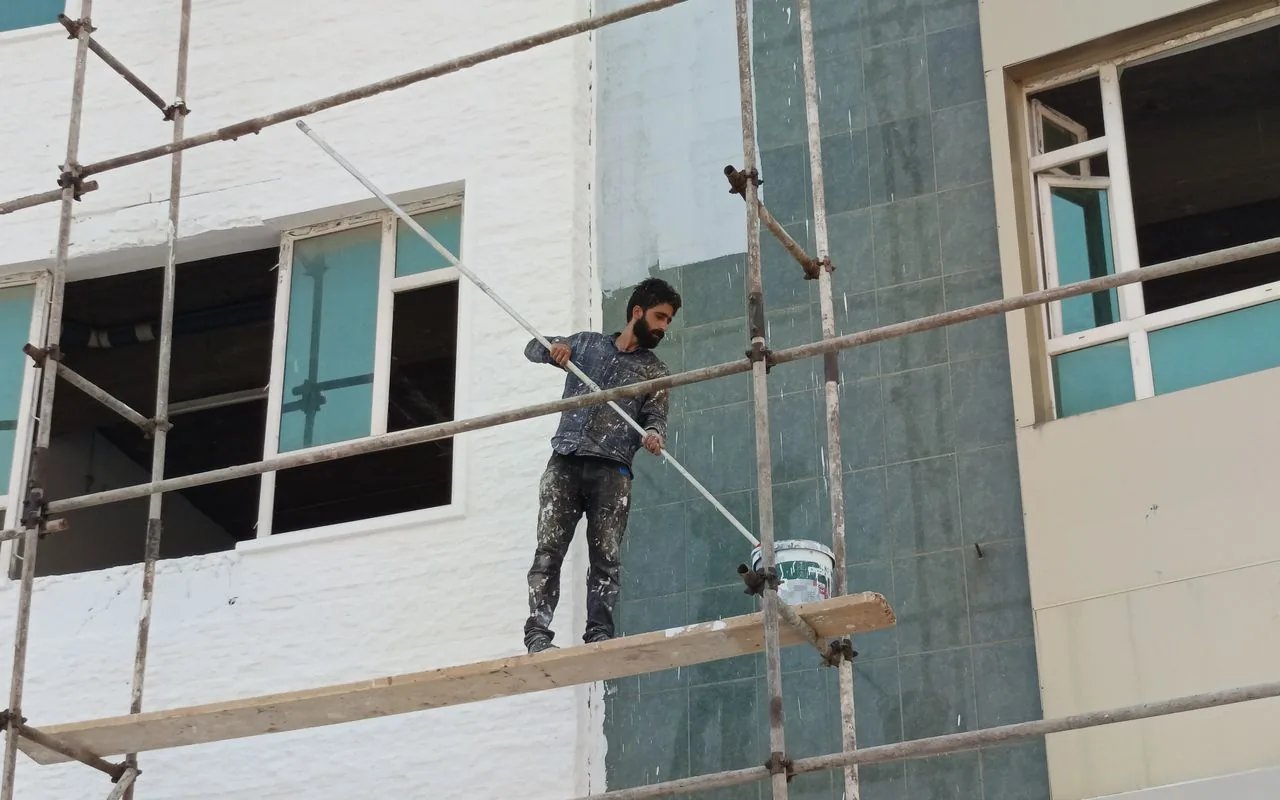
The fix is a forced checklist at quote time — not a mental note, not experience, not a reminder to yourself. A checklist built into your quoting process that requires you to answer the access question before the quote goes out.
Ask yourself three questions on every job:
- Is any surface above 3 m (10 ft) from ground level?
- Can it be reached safely with a ladder, or does it need a platform?
- If a platform is needed, what's the hire cost for the estimated job duration?
If the answer to question one is yes, access equipment is a potential cost. If the answer to question two is no, it's a definite cost. Get a quote from your hire supplier and put it in the job, marked up appropriately or passed through at cost — your call — but either way, it has to be in there.
For estimating purposes, build a simple reference: scaffold hire per week at local rates, boom lift day rates for each machine type you regularly use. Update it every six months. When you're quoting a two-storey exterior, you have a number to plug in immediately rather than something to think about later.
Surfacely's quoting cost tool includes an access equipment field at the job level specifically to force this step — you can't complete a quote without making a deliberate decision on access. It's not complicated. It's just a prompt that happens at the right moment.
Multi-Level Jobs: The Compounding Problem
Single two-storey repaints are bad enough. Multi-level commercial work is where the access problem compounds fast.
A three-storey commercial building might need both scaffold on sections with restricted ground access and a boom lift for fascia and parapet work. That could mean $4,000–6,000 USD in equipment costs across a two-week job. At the same time, the higher access slows your painters down — production rates drop from a Step 4 Steady (15 m²/hr / 160 ft²/hr) on standard walls to a Step 3 Careful (10 m²/hr / 110 ft²/hr) or lower when working at height with restricted movement.
That's a double hit: higher equipment cost and more hours on the job. If neither is in the quote, a job that looked profitable on paper becomes a significant loss in practice.
The production rate adjustment is just as important as the equipment line item. Height access slows painters. Factor both or you'll underprice the job twice.
The Bottom Line
Scaffold and boom lift hire is not a minor oversight. On a residential two-storey repaint, it can represent the entire profit margin of the job. On a commercial exterior, it can exceed your total labour cost. The reason it gets missed is structural — it's not part of the natural flow of most quoting systems.
Fix that by building the access question into your process at quote time, every time, without exception. Know your local hire rates. Adjust your production rates for height. And make access a line item — not an afterthought.
If you want a quoting process that forces these decisions before the quote goes out rather than after the invoice lands, take a look at how Surfacely handles job costing. The access equipment field is there for exactly this reason.