
Can AI Write a Painting Quote? What Works and What Still Needs You
AI photo analysis correctly identifies surfaces 90% of the time. It cannot reliably measure them. The painter still owns every estimate value.
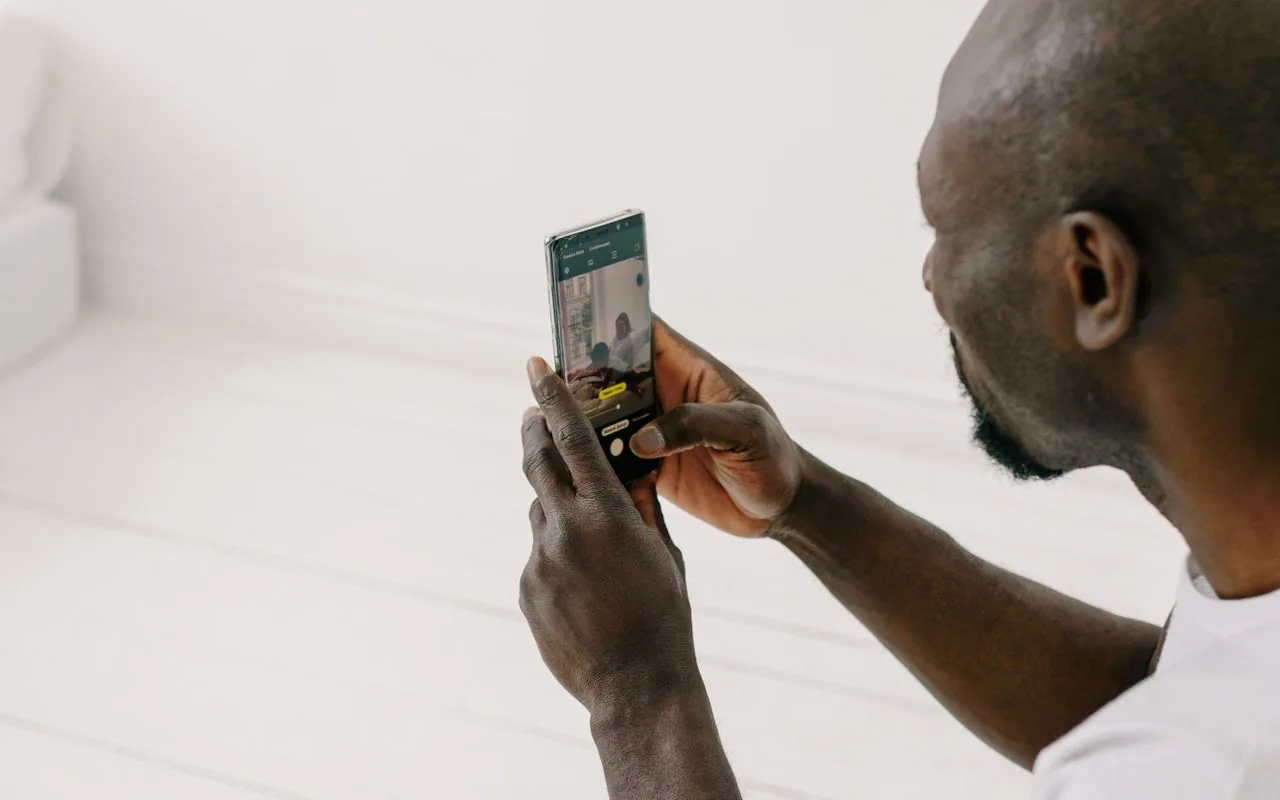
Three AI applications are genuinely useful in painting businesses today: photo analysis for surface and defect identification, voice transcription for field notes during assessments, and the homeowner self-scope portal that lets a client submit photos and rooms before a site visit. At the time of writing this, everything else AI vendors are selling to the painting trade is either marginal or actively risky without specialised tools doing the heavy lifting.
Of course, AI is continually changing and we will continue to embed more and more usefulness when it makes sense.
What AI is genuinely good at right now to assist painters
- Photo surface identification. AI (using the latest vision model) can analyse identified surfaces with confidence levels and suggested defect categories. The painter reviews and confirms 'this is a defect' — AI should never auto-apply any change to a measurement or assessment.
- Voice-to-structured-data field notes. Painters can speak notes during their assessment; AI can parse them into structured area, surface, and condition records. Great when you're on the fly and spot an issue.
- Homeowner self-scope intake. Homeowners can receive a guided walk through of their property on a phone with AI assistance; the result lands as a draft project for the painter to review and consider for quoting. A massive qualifier and time saving approach.
- Proposal cover copy drafting. AI is really strong at drafting scope summaries from the painter's quote data. A painter then just reviews, tweaks and signs off.
What AI cannot do
- Measure surfaces accurately from photos alone — photogrammetry from consumer phones doesn't get within 10% of measured truth. With specific tools, it does do a good job, but it is complex.
- Replace the site visit on commercial work — A human needs to visually be on site to look at access constraints, occupancy, security, parking, site rules.
- Guarantee estimate accuracy without measured input. It does not have a database of referenced sites to check against, so it would be guessing.
- Make pricing decisions — margin, discount, client-relationship calls. That is business strategy and can only be managed by the business owner.
- Decide between "moderate" and "heavy" prep — the painter still owns this.
The Surfacely AI principle
We see that AI will continue to enhance and improve what we can offer painters. We have some fundamentals that remain in place when we look at integration of AI tools.
1) The platform must work without AI.
2) AI never auto-applies suggestions to pricing.
3) The painter is the final decision on every estimate value.
Where AI actually fits in your quoting week
The useful version of this is unglamorous. Here is the shape of it on a normal job.
You walk the property and photograph every elevation and every room you will paint. Photo assist reads those images and tells you it can see weatherboards, fascia, gutter, three windows and a door — and that the north wall looks like it is flaking. That is a checklist, not a measurement. You still tap each surface and measure it.
The value is not speed. It is the surface you would have forgotten. The soffit you could not see from the driveway. The second downpipe around the side. Missing one surface on a quote is a straight subtraction from your margin, and it happens on tired Friday walk-throughs more than anyone admits.
Then you speak your condition notes instead of typing them one-handed on a ladder, and they land as structured records against the right area. At the end you let it draft the scope summary for the proposal, and you rewrite the half of it that does not sound like you.
Four questions to ask any AI tool selling to painters
The trade is getting a lot of pitches right now. These four separate the useful from the dangerous.
- Does it measure, or does it suggest? If a vendor claims accurate measurement from phone photos alone, ask what the error margin is on a gable end and who carries the loss when it is wrong.
- Can it write to a price without me approving it? If yes, walk away. A tool that can silently move a number in your quote can silently move your margin.
- Does it work if the AI is unavailable? If the platform stops functioning when the model is down, you have bought a dependency, not a tool.
- Who decides the prep level? This is the honest test. Prep runs at 25 m²/hr on a sound repaint and 9.25 m²/hr or slower on weathered timber — the single biggest swing in the quote. No current model can look at a photo and tell you which one applies with money on it. If a vendor says theirs can, they are selling you their confidence, not their accuracy.
The judgement AI cannot take off you
Every genuinely expensive estimating decision is a judgement call under uncertainty, made with your money at risk. What is under that flaking topcoat. Whether the client who is home all day will slow the crew by 10% or 30%. Whether this is a job worth winning at the price they will pay.
Those are not data problems waiting for a better model. They are the reason your quote is worth more than a calculator's, and they are what a painter with fifteen years on the tools actually gets paid for.