
How to Tell If Your House Needs Repainting: 6 Checks You Can Do Yourself
The chalky residue on your hand after touching the wall is the paint breaking down under the sun. Here is how to read the other signs yourself — before they turn into water damage.
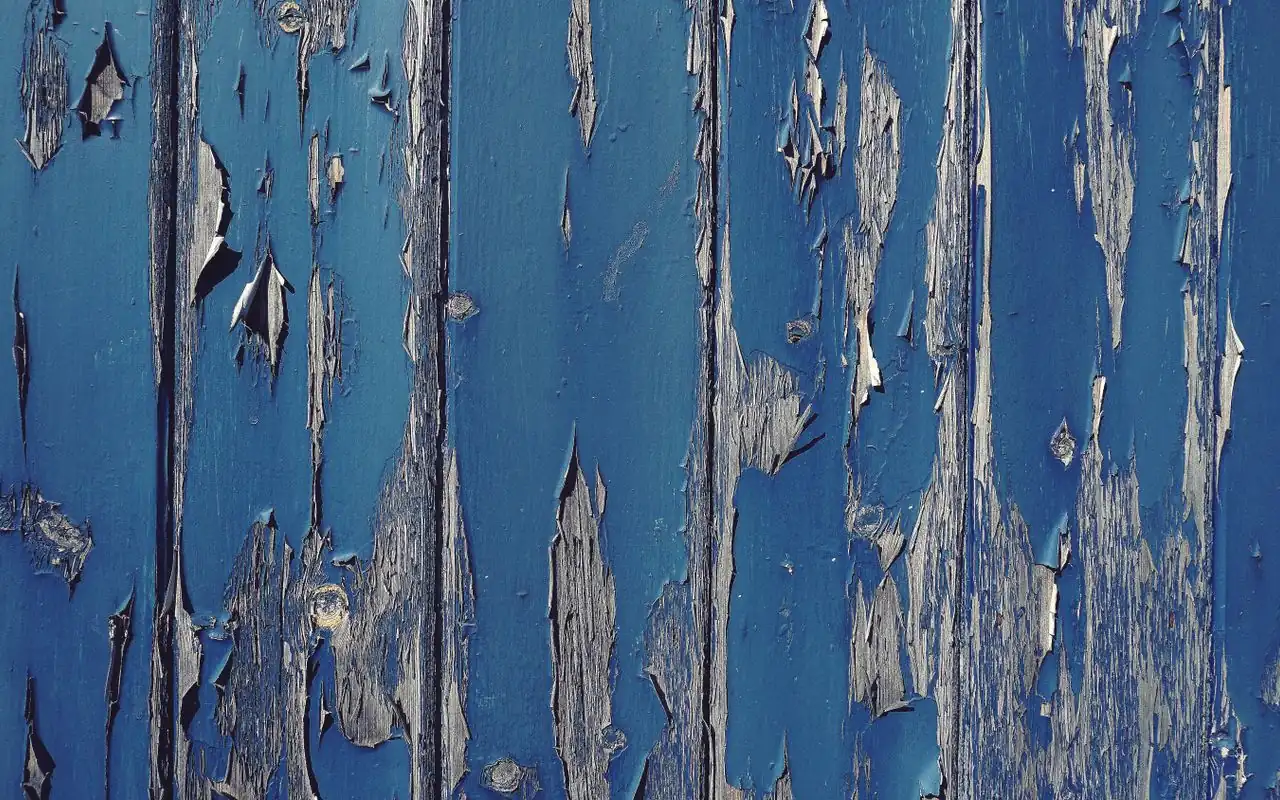
You don't need a painter on site to get a feel for whether your paint is failing. A handful of simple checks — using nothing more than your hand, some sticky tape, and your phone camera — will tell you a lot. And if you share what you find when you request a quote, your painter can price the job far more accurately, which usually means fewer surprises.
First, a little paint science
Outside, paint isn't just colour — it's your home's raincoat. It keeps water out of timber, render and trim. Three things wear it out: UV from the sun (which breaks down pigment and the binder holding paint together — dark colours fade fastest), weather (heat, cold, rain and salt), and age (older coatings go brittle and chalky). When the film finally cracks or lifts, moisture gets in — and that's when small problems become expensive ones. Repainting on time is really about protecting the house.
1. The rub (chalk) test
Rub your hand firmly across an exterior wall. If you come away with a chalky, powdery residue, the old coat is breaking down. A little is normal on older paint; a lot means the surface needs a proper wash before any new paint will stick.
2. The tape (adhesion) test
Press a strip of sticky tape onto the paint firmly, then rip it off. If flakes of paint lift away with the tape, the old coat has lost its grip and will need stripping back before repainting. If nothing comes off, adhesion is good.
3. The fade comparison
Compare a sun-baked wall with a sheltered spot — under the eave, or behind a downpipe. The difference in colour is real UV damage, not dirt. A big gap means the sun has taken a lot out of the finish.
4. The sheen read
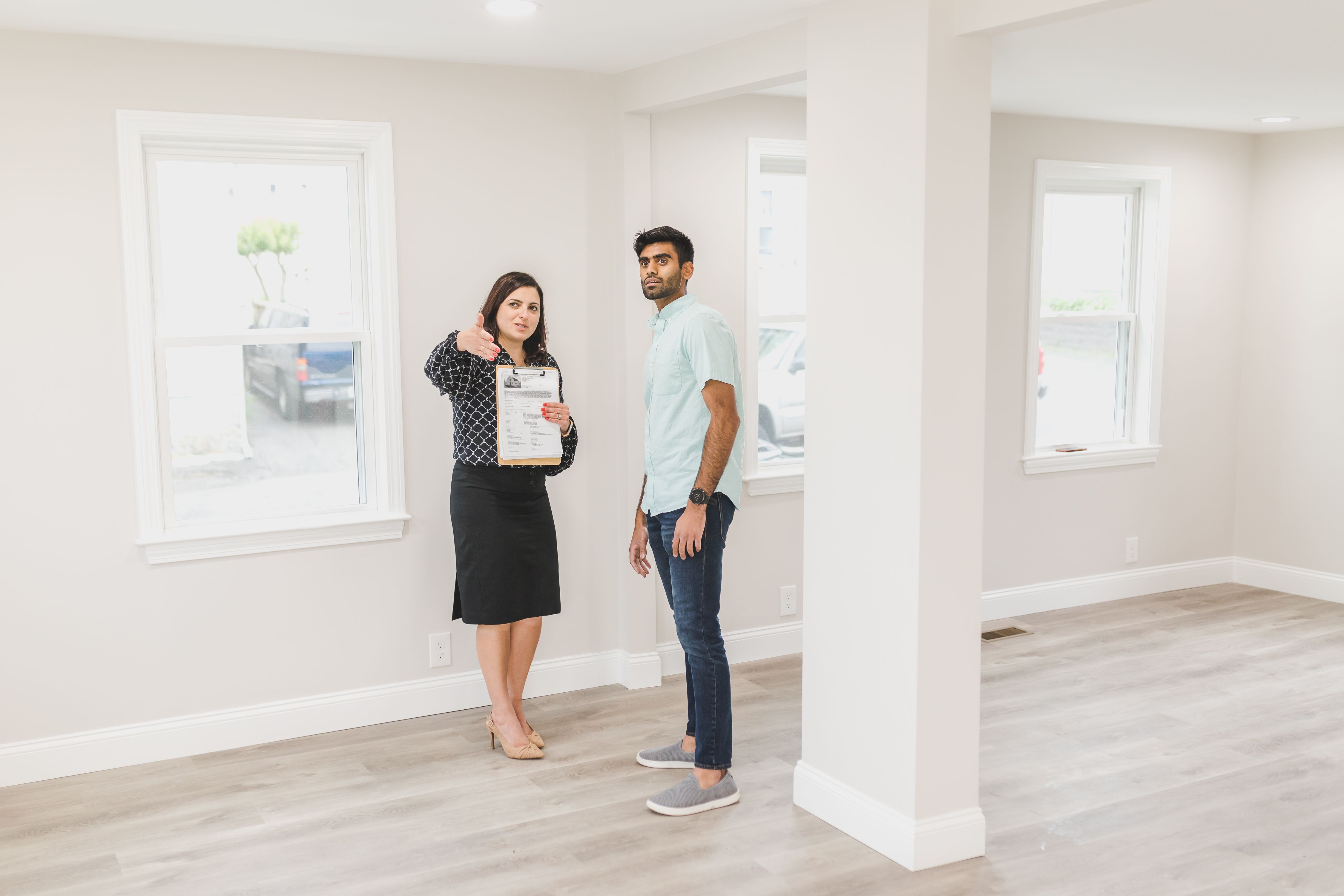
Sight along the wall toward the light. How shiny is it — flat, satin, or glossy? Higher-sheen paints are tougher and easier to clean but show every imperfection, which is why painters match the sheen to each surface. Knowing the current finish helps them put back the right one.
5. Cracks, peeling and stains
Look for the tell-tale failures and photograph anything you spot:
- Hairline cracks are cosmetic; a wide "alligator-skin" pattern means the coating is moving apart and needs more prep.
- Peeling or flaking means the paint has let go — usually moisture or a poor previous surface.
- Green or black growth is mould, common in shaded or damp spots, and needs treating before painting.
- Brown or yellow stains, or bubbling, point to moisture behind the paint.
6. Caulk and gaps
Check the caulk around windows, doors and trim. Open gaps let water in and usually need re-caulking before painting — it's a small job that protects the timber underneath.
One more, for older homes
If your home was built before the 1970s (Australia and New Zealand) or before 1978 (United States), the old paint may contain lead. Don't sand or scrape it yourself — a professional will test and handle it safely.
Share what you find
The single most useful thing you can do is take a few clear photos and note what you've spotted. Many painters now send a link that lets you walk through your own home, snap photos and flag these exact checks — so by the time they quote, they already understand the condition. That's a faster, more accurate quote, with everyone on the same page.
Read the full homeowner's guide to getting a painting quote.