
Managing a Painting Job from Quote to Review: The Complete Workflow
Most painting businesses run the first three stages well — quote, accept, work. The last six are where the money lives.
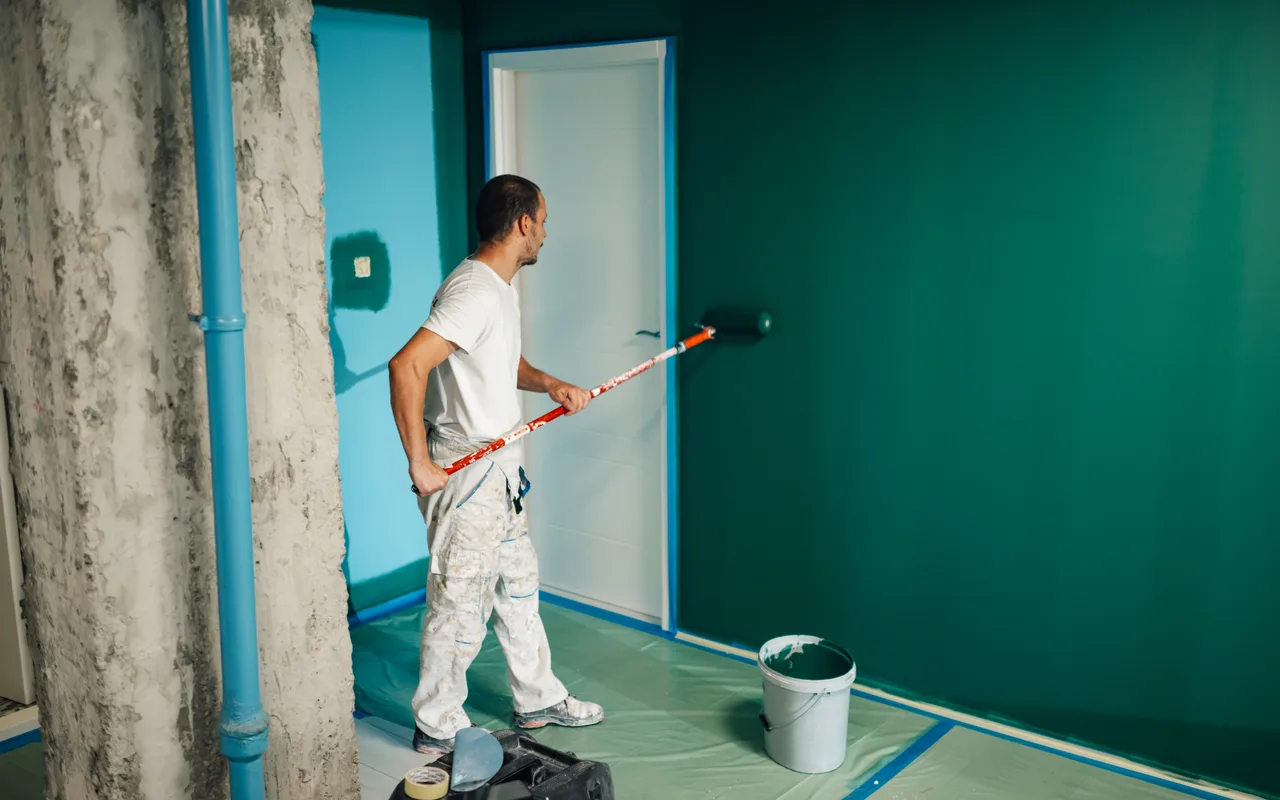
A painting project has nine distinct stages from first call to final review. Painters who run all nine close more jobs, get paid faster, and earn the reviews that drive the next ten leads.
The 9 stages
- Site assessment and surface measurement. Visit, measure, capture defect photos, identify hazards.
- Quote generation and client proposal. Run cost-plus formula, build branded proposal.
- Quote acceptance and project activation. Client accepts in portal. Quote locks at the Cloud Function level.
- Crew brief and safe work plan. SWMS / JHA / RAMS / SSSP generated. QR code crew sign-off.
- Job management — progress, updates, variations. Daily updates, time logging, material purchase capture, variations through the portal.
- Invoicing — deposit, progress, final. Deposit on quote acceptance. Progress at milestones. Final on completion.
- Completion sign-off and client portal. Client confirms via portal. Defect log captured. Warranty starts.
- Review collection and post-job drip. Day 7 review request. Day 14 reminder. Day 30 final reminder.
- Permanent surface register. Building stays on file. Re-quote in 5 years without re-measuring.
The 10 project status states
Surfacely tracks projects through 10 statuses: Lead → Scoping → Quoted → Sent → Won → In Progress → Complete → On Hold → Lost → Archived. The flow is one-directional for most transitions.
Documents at each stage
- Stage 1: assessment record, measurement record, condition notes
- Stage 2: quote PDF, branded proposal
- Stage 3: acceptance audit trail
- Stage 4: crew brief PDF, safe work plan, sign-off register
- Stage 5: daily updates, time logs, material purchases, variation documents
- Stage 6: deposit, progress, final invoices
- Stage 7: completion confirmation, defect log, warranty register
- Stage 8: drip email log, review submission tracking
- Stage 9: updated surface register
Where the money leaks at each stage
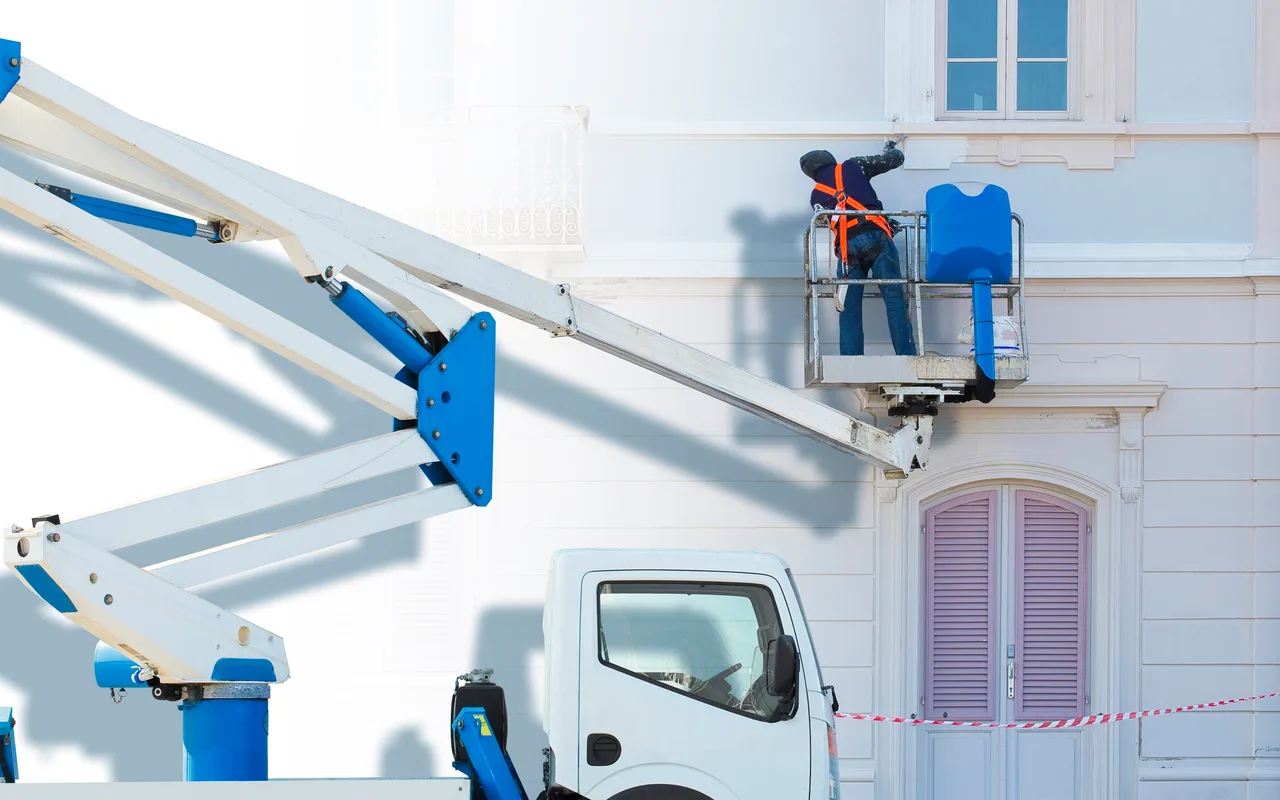
The nine stages are not equally dangerous. Here is where the losses actually cluster, in the order you will meet them.
- Stage 1 — assessment. The missed surface and the under-called prep level. Everything downstream inherits this error, and no amount of good site management recovers it.
- Stage 2 — quote. Access equipment left out, and markup used where margin was meant. Both are silent: the quote looks healthy and is not.
- Stage 3 — acceptance. Slow turnaround. The job you lost to whoever answered first never appears in your numbers at all, which is why it is the easiest leak to ignore.
- Stage 5 — job management. Scope creep. The "while you're here" work that never became a variation, because saying yes on site is easier than raising it.
- Stage 6 — invoicing. Deposits too small to fund the job, and progress claims that drift late because nobody owns sending them.
- Stage 7 — completion. Callbacks. Free work charged against a job you already closed as profitable, so the real margin is never the one you recorded.
- Stage 8 — review. Not a loss, a forgone gain. The reviews you did not ask for are the leads you do not get next quarter.
The three stages most painters skip
Almost every painting business runs stages 1 to 6 in some form — you cannot get paid without them. Stages 7, 8 and 9 are the ones that quietly get dropped when the next job starts, and they are the three that compound.
Completion sign-off converts "they seem happy" into a record. It starts the warranty clock, captures the defect list while everyone is still on site, and removes the argument about what was agreed six months later.
Review collection is the cheapest marketing you will ever run, and it has a half-life. Ask on day seven while the fresh paint is still a talking point and you get a review. Ask at week six and you get nothing, because the job has become normal to them.
The surface register is the one with the longest tail. The building stays measured. When that client repaints in five years, or their property manager sends you the one next door, you are quoting from record rather than driving out to re-measure a house you have already measured once. That is the difference between a job and a customer.
Where to start if you run none of this
Do not try to install nine stages at once. Pick the one where you are losing most, which for almost every painter is stage 1.
Measure surface by surface and make a deliberate prep call on each, on your next quote. That single change moves more money than the other eight stages combined, because it is the only one that alters the number before the client sees it.