
SWMS, JHA, RAMS, SSSP: Safe Work Plans for Painters by Country
A SWMS in Sydney, a JHA in Seattle, a RAMS in Manchester, an SSSP in Auckland. Same painter, same hazards — different document, different regulator.
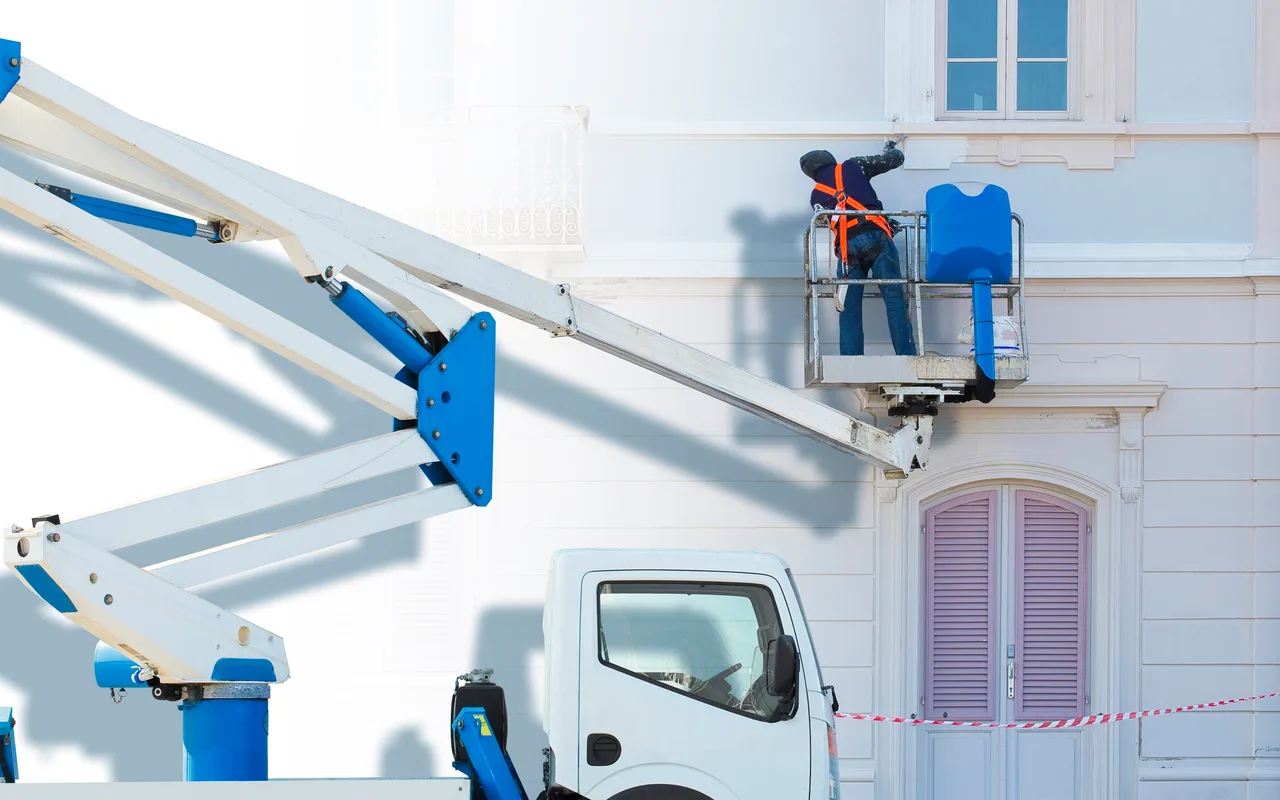
The safety document a painting contractor produces is called something different in every country. The structure is similar; the regulatory framework cited is what changes.
| Country | Document | Statute | Regulator |
|---|---|---|---|
| Australia | Safe Work Method Statement (SWMS) | WHS Act 2011 | Safe Work Australia |
| United States | Job Hazard Analysis (JHA) | OSHA 29 CFR 1926 | OSHA |
| United Kingdom | Risk Assessment & Method Statement (RAMS) | HSWA 1974 | HSE |
| New Zealand | Site-Specific Safety Plan (SSSP) | HSWA 2015 | WorkSafe NZ |
| Canada | Site-specific safety plan (varies) | Provincial OHS Acts | Provincial WHS body |
When a painting business needs one
Almost always for commercial work. For residential, the trigger is high-risk construction work — which for painting includes:
- Working above 2 m (Australia, UK, NZ) or 6 ft (US) — covers most exterior repaints above ground floor.
- Spray application — atmospheric contamination.
- Lead paint disturbance — buildings pre-1970 (AU/NZ), pre-1978 (US), pre-1992 (UK).
- Asbestos — buildings pre-2003 (AU), pre-1999 (UK), pre-2016 (NZ).
- Work near energised electrical.
- Confined spaces.
What goes in the document
Whatever the country calls it, the content covers:
- Project address and painter business details
- Description of high-risk activities
- Hazards identified, with risk scores (5×5 matrix is standard)
- Control measures in hierarchy of control order — eliminate, substitute, engineer, administer, PPE
- Residual risk score after controls
- Worker sign-off acknowledging the plan
- Review trigger — when the document is reviewed
Auto-generation
Surfacely's safe work plan generator picks the right document for the painter's country and pre-fills painting-specific hazards from the project data — building age (lead, asbestos), surface application method (spray inhalation, enclosed-space spray), access equipment (scaffold, EWP, ladder), occupancy. The crew signs off via a QR code on the brief.
What a regulator or principal contractor actually asks for
The document rarely gets read cover to cover. What gets checked is narrower than painters expect, and knowing it makes the paperwork much less daunting.
- Is it site-specific? A generic template with another address on it is the single most common failure. The address, the actual hazards of this building, and the actual access method have to be on it.
- Is it signed, and signed before work started? This is why timestamps matter. A register signed at the end of the week does not demonstrate anything.
- Do the controls follow the hierarchy? "Wear a harness" as the first answer to working at height is a red flag. Elimination and engineering controls come before PPE, and an inspector will notice if you jumped straight to the last one.
- Was it reviewed when the job changed? New access equipment, new elevation, new subcontractor. If the document is dated day one and the boom lift arrived on day four, it is out of date.
The 5×5 matrix without the mystique
Likelihood across, consequence down, multiply the two. The part that matters is not the arithmetic — it is that you score the risk twice: once as the job stands, and once after your controls are in place.
A two-storey exterior repaint from ladders might score 4 for likelihood of a fall and 5 for consequence — a 20, which is unacceptable in anyone's framework. Put a scaffold on it and the likelihood drops to 1, giving you 5. That drop is the entire argument for the scaffold, written down, and it is also the document that explains to a client why the access line is on their quote.
If your residual score is still high after controls, the honest reading is that you have not controlled it — not that you should note it and proceed.
Lead and asbestos: the two that change the job, not just the paperwork
Most painting hazards are managed with method. These two change what the job costs and sometimes whether you should take it.
Lead disturbance on a pre-1978 US home brings the EPA RRP rule into play — certification, containment, HEPA cleanup and record keeping. That is not a Standard prep job priced as normal; the containment and cleanup alone push it far up the prep ladder, and pricing it as a routine repaint is how painters lose money on work they were legally obliged to do slowly.
Asbestos is simpler: if you suspect it, you do not disturb it. Testing is cheap relative to the alternative, and no repaint is worth the exposure.
This is general information, not legal or regulatory advice. Obligations vary by jurisdiction and change over time — check the current requirements with your regulator.