
For painters building a real business
You're not losing jobs on your painting. You're losing them on paper.
The client hasn't seen you work yet — so they judge the only thing they can: how you show up. And you lose jobs you deserved to win, to painters who aren't better than you — just better at looking like a business.
Have you said this to yourself?
The ones that sting the most.
“My work's better than his. He just looked more like a business.”
“I gave them a number on the back of a card — they went with the one who sent a proper quote.”
“I texted the price. Never heard back.”
“I know I'm good. I just don't look it on paper.”
“By the time I chased it up, they'd already signed someone else.”
Not one of those is about your painting. Every one is about the moment before you pick up a brush — the bit that actually decides who wins.
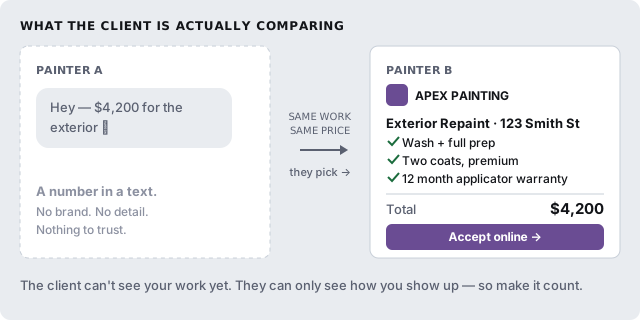
The client can't judge your painting — so they judge your proposal
Until you're on site, the proposal is the product. It's the only evidence the client has that you're a real business who'll turn up, do what you said, and stand behind it. And "looking professional" isn't fancy design — it's a handful of concrete things:
- Itemise it. Spell out the scope — what's included, what's not. Doubt is what kills a yes; detail removes it.
- Put your brand on it. Logo, business name, a consistent look. It signals a real business, not a side hustle.
- Send it the same day. Get it out while you're still fresh in their mind. Fast turnaround says you've got it together — and it beats the better quote that lands a week late.
- State clear terms. Deposit, timeline, what happens next. Certainty is what makes saying yes easy.
- Make the yes one tap. Let them accept online, then and there. Every "let me get back to you" is a job quietly drifting away.
- Follow up. A friendly nudge a few days later wins jobs that would've gone cold. Most painters never do it — which is exactly why it works.
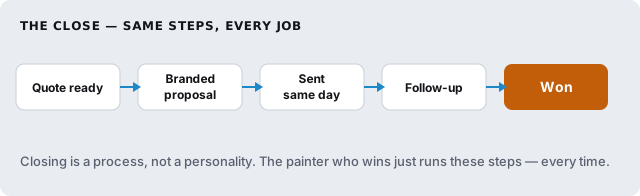
Closing is a process, not a personality
Here's the freeing part: the painter who "looks professional" isn't more confident than you, or some natural salesperson. They've just got a repeatable way of turning a measured job into a proper proposal, sending it fast, and following up — every time. It's a system, exactly like a good estimating process. Which means it isn't a talent you were born without. It's a habit you can copy.
Get that closing process right and something quietly changes: you stop wondering why the "worse" painter keeps winning, because now you're the one who shows up like the business you already are.
From the founder
I'm an estimator and a closer. Winning work isn't a personality either — it's stage four of the same system, and running the whole thing has generated millions in sales every year at an average gross profit of over 40%. So I know exactly why jobs are won and lost: the client can't judge your brushwork before you start, so they judge the only thing in front of them — how you show up. Better painters lose to better-presented ones every day of the week. Not because the client got fooled — because presentation is the only thing they can judge before you start.
I built Surfacely to close that gap for you. You measure the job; it becomes a branded proposal your client accepts online, sent the same day you quoted. You stop losing work you should win — and you win it without turning into a salesperson.
Your first 5 buildings are free. Send your next proposal through it and watch how differently it lands — same work, same price, but now you look like the business the client can trust.
Related guides
- Grow a painting business: the three systems
- The complete painting estimating system
- Painting job tracking: sharpen every quote
- What homeowners look for in a painting quote
- Painting business profit margins
FAQ
Why do I lose painting jobs to less experienced painters?
Because the client can't judge your painting before you start — they can only judge how you show up. A painter who sends a branded, itemised proposal the same day looks like a safer bet than one who texts a number, even if their work is worse. You lose on presentation, not on skill.
What makes a painting quote look professional?
Six concrete things: an itemised scope, your branding on it, same-day turnaround, clear terms (deposit and timeline), a one-tap way to accept online, and a follow-up. None of it is fancy design — it's just looking like a real business at the moment that decides the job.
How fast should I send a painting quote?
The same day you visit, while you're still fresh in the client's mind. Speed reads as competence, and it gets your proposal in front of them before a competitor's. A great quote sent a week later often loses to an average one sent that afternoon.
Should I follow up after sending a painting quote?
Yes. A friendly nudge a few days later wins jobs that would otherwise quietly go cold. Most painters never follow up, so it's one of the easiest ways to win work you'd have lost to silence.
Do I really need branding as a solo painter?
Yes. A logo and consistent business name on your proposal signals a real business that will turn up and stand behind the work — not a side hustle. It costs nothing to apply once, and it changes how every quote lands.
Isn't a professional proposal only for big companies?
No. It's a handful of concrete things any solo painter can do: itemise the scope, brand it, send it fast, state the terms, make it easy to accept, and follow up. One-person operations that do this win against much bigger outfits all the time.